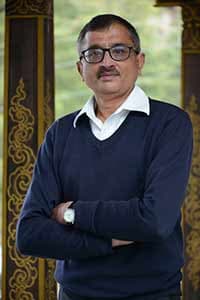
 Mr. Sanjeev Mehta
Mr. Mehta is from Rajasthan, India, and has an MA in Economics from Rajasthan University. He is a NET (National Eligibility Test) qualified lecturer under the UGC and has taught undergraduate courses in Economics, mostly at Sherubtse College, Kanglung. Prior to joining RTC, he was the Head of the Economics Department at Sherubtse College. He has been a member of the academic board and developed the curriculum for BA (Hon) course in Economics. Professor Mehta has also worked as a UNDP lead consultant to develop the Economic Development Policy of Bhutan 2010, MDG sub-national repot 2013, MAF on youth unemployment in Bhutan, and capacity assessment of UN one programme 2014-18. He was also involved in developing textbooks of Economics for classes X, XI, and XII for the Ministry of Education, Bhutan. He has carried out research on poverty, inequality, local government, and FDI and his areas of interest include development economics, macroeconomics, globalization, and research. He has also published a book titled 'Nature and Structure of Bhutanese Economy'.
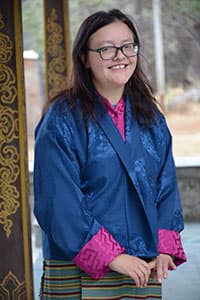 Dr. Dolma Choden Roder
Dolma Choden Roder has family roots in both Bhutan (Bumthang) and Switzerland but grew up in Thimphu. She holds a Ph.D. and an MA in Socio-cultural Anthropology from Arizona State University, USA and a BA (honors) in Anthropology from the University of Melbourne, Australia. She has over five years of experience working with the Anthropology Collections at Arizona State University where she trained and mentored undergraduate student workers and interns in collections management and material culture research. She has also taught at Sherubtse College and the School for Field Studies. Her current research and teaching interests are gender, education, family, material culture, and youth cultures, with an emphasis on contemporary Bhutanese culture.
 Dr. Jelle J.P. Wouters
Jelle J P Wouters is an anthropology professor and director of research and development at Royal Thimphu College. He holds an MPhil (distinction) in anthropology from Oxford University and a PhD in Anthropology from the North-Eastern Hill University in Shillong, India. Prior to joining Royal Thimphu College in 2015, he taught at Sikkim Central University and was a visiting faculty at the Eberharld Karls University of Tübingen as part of the Teaching for Excellence initiative by the German Research Foundation. He has been a columnist for The Statesman, and currently serves as the co-lead of the Himalayan Environmental Humanities Thematic Working Group of the Himalayan University Consortium, ICIMOD. He is the author and editor of 11 books, including In the Shadows of Naga Insurgency (Oxford University Press, 2018), Vernacular Politics in Northeast India (Oxford University Press, 2022), Subaltern Studies 2.0: Being Against the Capitalocene (Chicago University Press, 2022), The Routledge Handbook of Highland Asia (Routledge, 2023), and Himalayan Climes and Multispecies Encounters (Routledge, 2024).
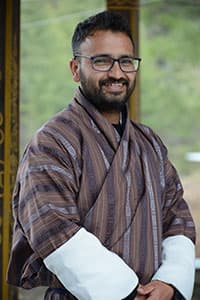 Mr. Rabilal Dhakal
Mr. Rabi is from Dorokha, Bhutan. He completed his Master’s Degree in South Asian Studies from Pondicherry University, India, and a bachelor's degree in Economics and Environmental Studies from Sherubtse College, Kanglung, Bhutan. Rabi has worked with RTC for over a decade, teaching various modules on politics. His academic areas of interest include geopolitics, contemporary politics, governance, and political culture.
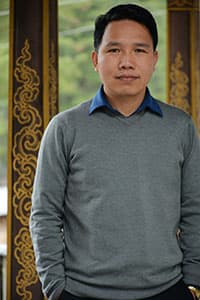 Dr. Leishipem Khamrang
Dr. Leishipem Khamrang is from Manipur, India. He holds a Master's Degree in Geography from the University of Mumbai and Population Studies (MPS) from the International Institute for Population Sciences (IIPS), Mumbai. He has a Ph.D. in Geography from the University of Mumbai. He qualified for NET/Lectureship in Geography and NET/JRF in Population Studies, conducted by University Grants Commission (UGC), India. Before joining RTC, he taught Environmental Studies at Chetana College, Bandra East, Mumbai for two years. He also worked at International Institute for Population Sciences (IIPS), Mumbai as an Assistant Research Officer (ARO) for two years. His last position was Research Officer at the Centre for Development Studies, Tata Institute of Social Sciences (TISS), Mumbai. His areas of research interest are regional development, quality of life, urban development, development, regional conflict, etc.
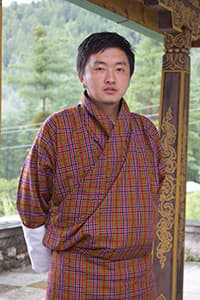 Mr. Kinley Dorji
Mr. Kinley Dorji was born and raised in the eastern region of Bhutan before travelling extensively across the country and later settling in Thimphu, where he began teaching at Royal Thimphu College. He holds a Bachelor’s degree in Sustainable Development and a Master’s degree in Environmental Sciences. He is currently a PhD researcher under the Royal University of Bhutan, where his research explores migration within the context of climate change in eastern Bhutan. His academic work spans both qualitative and quantitative methodologies, with particular interests in water, ecosystem services, wellbeing, and Bhutanese culture. Aspiring to grow as an organically rooted Bhutanese scholar, his long-term vision is to bridge global and local quantitative environmental studies with indigenously grounded, socio-culturally curated environmental philosophies. Beyond academics, Kinley enjoys hiking around Thimphu during weekends and holidays. On most days, between office work, he enjoys reading, thinking, and writing to remedy the humdrum mechanical life. At other times, he travels across Bhutan, collecting stories of people and places, and seeking to deepen his understanding of the Bhutanese lifeworld.
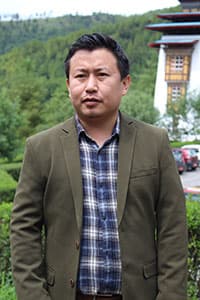 Dr. Richard Kamei
Dr. Richard Kamei is a Rongmei Naga (Kabui) from Manipur. He holds a Ph.D. from Tata Institute of Social Sciences (TISS), Mumbai, and his PhD research looked at the diverse pathways of Naga Nationalism rooted around the First World War. He holds an MPhil degree from TISS, where his dissertation was ethnographic research on indigenous women and the brewing of traditional liquor. Before his research endeavours, he worked as a research officer and community organiser at the Andaman and Nicobar Islands for a community resource centre, and with civil societies. His writings have appeared in academic journals, books, and the media. His current research interests include indigenous peoples, ethnicity, alcohol, and food studies. He recently conducted research on alcohol with a focus on Bhutan and Manipur in northeast India. In his leisure time, he practices gardening and photography of landscapes. He also enjoys cooking, emulating Naga food from his hometown.
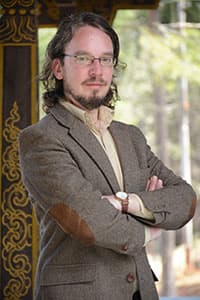 Dr. Shawn Christopher Rowlands
Dr. Shawn C. Rowlands is a British-Australian anthropologist and historian whose work has focused on the relationship between heritage, material culture, collection, and the production of knowledge concerning native identity and practices. With a background in history, archaeology, and anthropology, and a strong focus on the practical and theoretical analysis of material culture, Dr. Rowlands is a particular specialist in Oceania and colonialism. His work has had a broad, multi-disciplinary scope that has explored the exercise of power and agency through the production of thought and the taxonomy of cultures and lived experiences. Beginning his career by studying popular protest movements, especially in pre-industrial Europe and Japan, he later shifted to museum anthropology. Dr. Rowlands has taught at Harvard University, the Bard Graduate Center, and the University of Queensland. In the museum world, he has worked at and researched multiple international institutions, such as the American Museum of Natural History, the University of Pennsylvania Museum of Archaeology and Anthropology, and the Queensland Museum. Currently, his research focuses on the material culture of murder, Imperial Japan's collection practices, and artistic entanglements with modernization in Bhutan.
 Ms. Tshering Lhamo Dukpa
Tshering Lhamo Dukpa is from Tsirang Dzongkhag. She holds a Master’s degree in Economics from Madras Christian College, Chennai, a Bachelor’s degree with Honors in Economics from St. Edmund’s College under North-Eastern Hill University, Shillong, and a Post Graduate Certificate in Higher Education (PgCHE) from Samtse College of Education, Bhutan. She completed her schooling in Dehradun, India. She has been teaching Economics at Royal Thimphu College since August 2014. Over the years, she has taught a wide range of undergraduate modules and has been actively involved in mentoring students in their academic journey. Her teaching interests include development economics, policy analysis, and applied economics. Beyond teaching, she is interested in research related to sustainability, resource management, and policy frameworks that support long-term development goals. She has also participated in several international training and academic collaborations, including programmes in Belgium, Nepal, and the Netherlands, which have strengthened her engagement with global perspectives on education and sustainability.
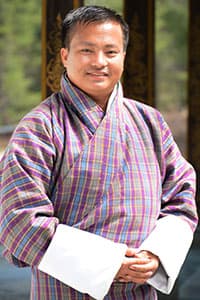 Mr. Tshewang Dorji
Mr. Tshewang Dorji teaches Environmental Management at Royal Thimphu College. He has extensive teaching experience in higher education in Bhutan and brings a strong interdisciplinary research background spanning both natural and social sciences. His research interests include community-based natural resource management, environmental humanities, climate change, mountain ecology, and gender participation in natural resource governance. He is a certified trainer in emotional and mindfulness-based leadership and has, over the years, delivered leadership programs for student leaders, school teachers, and faculty members in Thimphu. Prior to joining RTC, he worked in the Research and Hansard Division of the National Assembly Secretariat. He is also an avid traveler, reader, and bird enthusiast.
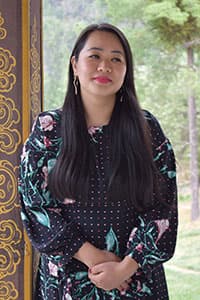 Dr. Supong Longkumer
Dr. Supong completed her Master's degree in Women's Studies and M.Phil- Ph.D in Inclusive Development and Social Justice from Tata Institute of Social Sciences (TISS), Mumbai. she was selected as an Erasmus Mundus exchange student for the Spring semester at the University of Tampere, Finland. Thereafter, she was engaged as a student coordinator for the Customized Programme between Tata Institute of Social Sciences, Mumbai, and the University of Chicago, the United States of America in 2017. Between the years 2018 and 2019, she taught Sociology to undergraduate students at Tetso College in her home state, Nagaland. Her personal trajectory as a researcher continues to be informed by the complexities of gender, tribe, and class which are deeply rooted in her identity and experience. Her research interests include social movements, women and conflict, memory studies, and gendered dynamics of violence. She likes to travel and loves visiting museums, art galleries, and botanical gardens.
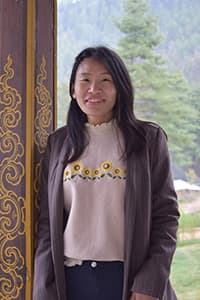 Ms. Zajano Z. Yanthan
Ms. Zajano Z. Yanthan completed her M.Phil in Planning and Development from IITB (Indian Institute of Technology Bombay). Currently, enrolled as a Ph.D. candidate at the School of Development Studies, Tata Institute of Social Sciences Mumbai. Her Thesis is titled 'Music, Identity and Naga Society'. She did her Bachelor's Degree in Sociology from Nagaland University and her Master's in Labor and Development at Indira Gandhi National Open University, New Delhi. Ms. Zajano is a Lotha Naga tribe from Nagaland, Northeast India.
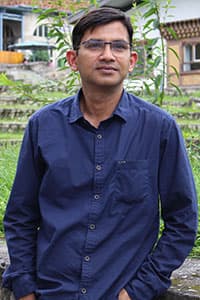 Mr. Rudrarup Mukherjee
Mr. Rudrarup Mukherjee is an accomplished educator with a background in Economics. Originally from West Bengal, India, he holds an M.A (Specialisation-International Trade and Finance) and M. Phil. (Specialization- Advanced International Economics) in Economics from Rabindra Bharati University, Kolkata. He has qualified both the UGC National Eligibility Test for Lectureship and the West Bengal State Eligibility Test for Assistant Professor. With experience of teaching a variety of undergraduate and postgraduate courses across India, he brings a deep commitment to education. He has also served as an examiner for the B.Com. Examination held by the University of Calcutta. Beyond his teaching duties, he has taken on significant administrative roles, including serving as the Coordinator of the Internal Quality Assurance Cell and Joint Coordinator of the NAAC Steering Committee at THK Jain College, Kolkata, prior to his current position at RTC. His research focuses on the economic impacts of foreign capital on developing nations, a field in which he has published his works internationally. In addition to his academic pursuits, he is an avid reader, photographer, and birder who enjoys exploring nature. He is the founding advisor of the RTC Birdlife Society, an initiative that encourages students and staff to actively participate in the protection of local birds and their natural habitats.
 Dr. Pheiga Amanda Giangthandunliu
Dr. Pheiga Amanda Giangthandunliu holds a doctorate in Social Work from the Tata Institute of Social Sciences (TISS), Mumbai. Her broad research interests include natural resource governance, indigenous knowledge, indigenous people, and gender. Dr. Amanda earned her B.A. in Anthropology (first class first) from Women’s College, Shillong (North-Eastern Hill University), and her MSW (Master of Social Work) from Kodaikanal Christian College, affiliated with Madurai Kamaraj University, Tamil Nadu. She also completed her M.Phil in Social Work at TISS, Mumbai. Additionally, she holds a Diploma in Project Management from Paradise Academy, Kodaikanal Christian College. She is Rongmei-Naga from Manipur, India and has experience working in NGO settings within Manipur, focusing on community development.
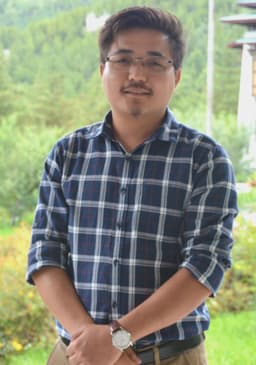 Dr. Tiatemsu Longkumer
Dr. Tiatemsu Longkumer is a Senior Lecturer in Anthropology at Royal Thimphu College, Bhutan. An Ao Naga from Nagaland, India, he holds a B.Sc. in Botany, Zoology, and Anthropology; an M.Sc. in Cultural Anthropology; and an M.A. in Philosophy. He earned his Ph.D. from North-Eastern Hill University, Shillong, where his research examined the syncretic relationship between Indigenous religion and Christianity in Nagaland. He previously served as a research assistant on a North Eastern Council-funded project at the Don Bosco Centre for Indigenous Cultures, Shillong. His current work focuses on Buddhism in Thimphu and on the pedagogical integration of Generative AI in teaching and learning practices. He is a recipient of the Indian Knowledge System grant. He is the founder of the Northeast Scholars Network, which supports collaborative scholarship and mentorship across the region. Beyond scholarship, he hosts conversations with authors and scholars on the New Books Network and offers training in Generative AI, public speaking, communication skills and writing.
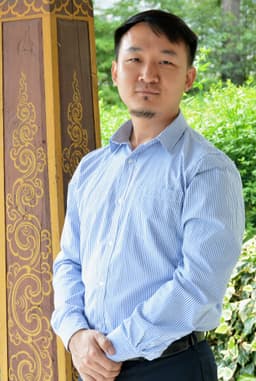 Dr. Kevingu Khate
Dr. Kevingu Khate is an Angami Naga from the state of Nagaland, India. He holds a B.Sc. (Hons) degree in Anthropology from Nagaland University and later completed his M.Sc. degree in Anthropology from the University of Delhi, India. Dr. Khate earned his Ph.D. from the University of Delhi, India specializing in Biological Anthropology. His interests lie in studying non-communicable diseases (NCDs), cardiovascular risk factors, hypertension, Metabolic disorders, micronutrient deficiencies, cognitive impairment, and the genetics and epigenetics of complex lifestyle disorders. He has worked on projects funded by the Department of Science and Technology (DST), Govt. of India and the Indian Council of Medical Research (ICMR), Govt. of India and was a recipient of the Senior Research Fellowship (SRF) grant from ICMR. He has published several scientific research papers in peer-reviewed journals and co-authored one book chapter. Besides academics, he's also deeply passionate about sports and community service.
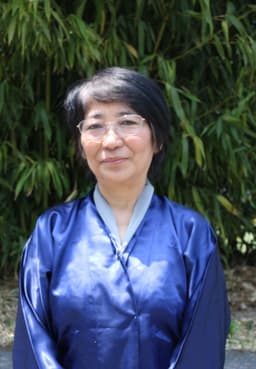 Dr. Tshering Dolkar
Dr. Tshering Dolkar is a Professor at the Faculty of Social Sciences. She obtained her Doctoral degree in Education from Queensland University of Technology, Australia and her Masters degree in Education from University of New Brunswick, Canada. Her experience has been in school and tertiary education, including curriculum development, planning and policy development, teacher education, and management of education research and reform projects. Additionally, she has provided consultancy services as a lead trainer and a local capacity builder in leadership and results-based program/project planning, monitoring, and evaluation. Her current interest is in active student-centred teaching in higher education.
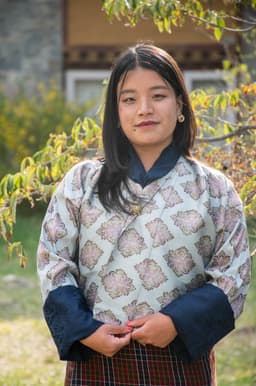 Ms. Singye Lhamo
Ms. Singye Lhamo holds a Bachelor of Science in Environmental Management from Royal Thimphu College and MSc in Natural Resource Management by research from the College of Natural Resources, Bhutan. As a faculty member, Singye's approach to environmental education integrates theoretical knowledge with practical insights gained from research and community engagement. She is dedicated to inspiring the next generation of environmental stewards, fostering a sense of responsibility and passion for conservation among her students and the broader community.
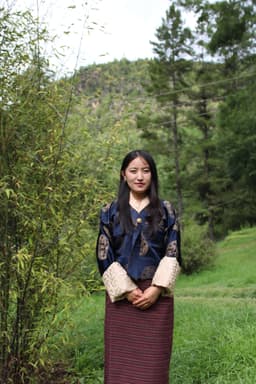 Ms. Deki Yangzom
Ms. Deki Yangzom holds an MA (Distinction) in Sociology and Social Anthropology from the Tata Institute of Social Sciences in India. She was the recipient of the prestigious Indian Ambassador's Scholarship, and Bhutanese Knowledge for Indigenous Development (B-KIND) Scholarship, 2022. After earning a BA (Distinction) in Anthropology from Royal Thimphu College (RTC) under DAHE scholarship, she was engaged as a researcher at Tarayana Centre for Research and Development, a think-tank and a research arm of theTarayana Foundation. She is interested in the anthropology of the Himalayas as an ethnographic field, and the themes of climate change and ecology, religion and ritual, livelihood and vulnerabilities in the Bhutan highlands. Her current research engagement has been in the emergent fields of Environmental Humanities and Multispecies Studies in Bhutan's climate change context. Drawing on her research work, she is also engaged as a Climate Advocate, working closely with various youth organisations in Bhutan. For the love of reading, she manages a small online library called Circulating Library.
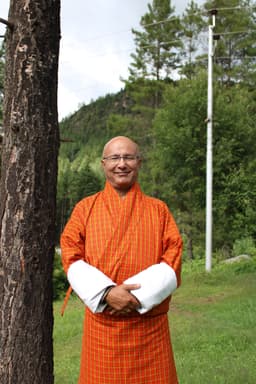 Dr Purna Chhetri
Dr Purna Chhetri is a renowned expert in natural resources management and biodiversity conservation with over 20 years of experience. Holding a PhD from the University of Applied Life Sciences in Vienna, he has significantly contributed to understanding and mitigating human impacts on ecosystems in Bhutan. His extensive research includes climate change adaptation, biodiversity conservation, and human-wildlife conflict mitigation, notably through innovative electric fencing systems. Dr Chhetri has also excelled in academia as a Resident Lecturer at the School for Field Studies, mentoring over 100 students. His international roles include participation in Bhutan's REDD-plus and PES programmes and representation at global forums like IPBES. His consultancy work with organisations such as the UNDP and FAO further underscores his influence in conservation and sustainable resource management.
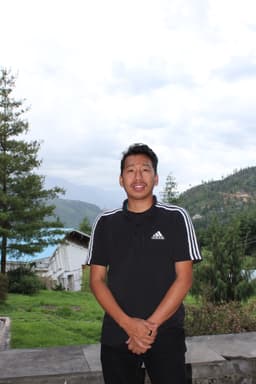 Mr. Kevi Christopher Paphino
Mr. Kevi Christopher Paphino, hailing from Nagaland, India, is a skilled physical education professional with a robust academic and practical background. He earned his Bachelor's degree in Physical Education from the Lakshmibai National Institute of Physical Education (LNIPE) in Gwalior, Madhya Pradesh, and further advanced his expertise with a Master's degree in Physical Education from LNIPE in Guwahati, India. Specialising in basketball and physical education pedagogy, Mr. Paphino has accumulated three years of valuable experience as a Physical Education Instructor at St. Joseph College (A) in Jakhama, Kohima, Nagaland. His expertise in teaching and coaching, combined with his academic credentials, underscores his commitment to fostering athletic and educational development in the field of physical education.
 Mr. Chencho Dorji
Mr. Chencho Dorji is from Pemagatshel, Bhutan. He completed his Master's Degree in Historical Studies from Nalanda University, India, and BA Honors in Bhutanese and Himalayan Studies from the College of Language and Culture Studies. During his postgraduate programme, he successfully completed his thesis on, 'Cultural History of Mandala: Understanding a Sacred and Secular in Bhutan's Buddhist Art.' As an enthusiastic researcher, especially in the field of the indigenous cultural heritage of Bhutan, he has successfully presented two research papers during the Honors programme, titled, 'Chungkhar Nagtsang: The Rise and Fall of Nobilities,' and 'Tsatsi Buram: The Traditional Way of Manufacturing Brown Sugar in Dagor Community.' His interest includes research, and reading books, particularly on Buddhist philosophy and history. Aside from that, he is also a contemporary artist (beginner), sportsman, musician, song composer, and documentary filmmaker.
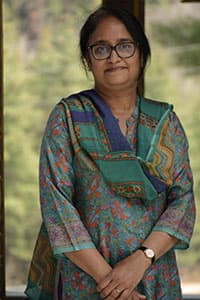 Mrs. Sonal Mehta
Mrs. Sonal Mehta comes from a hill station situated at Rajasthan- Gujarat border in India and did her schooling from a highly reputed MGD school, Jaipur. She was awarded a gold medal in MSc Human Development from the Rajasthan University. Her post-graduate dissertation focused on the issues pertaining to street children. She traversed a long distance from a family-owned jewelry business to a career in academics. She taught mathematics for about a decade at a middle secondary school in Kanglung, Bhutan. In 2009, she joined the Royal Thimphu College as an Administrative officer for about four months and later as a faculty member. She teaches Statistics and Research Methodology. She has also undertaken some consultancy with the Bhutan Postal Corporation and the Department of Local Government.
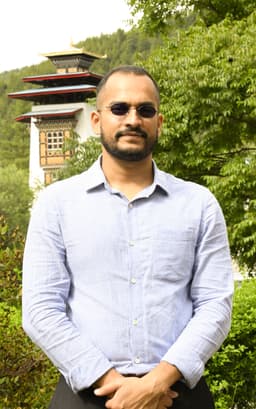 Dr. Lakhan Bir Meena
Dr. Lakhan Bir Meena is from Rajasthan, India. He holds a PhD and an MPhil from the School of International Studies at Jawaharlal Nehru University, New Delhi. He specialises in foreign policy and its fundamentals, with a particular focus on contemporary affairs in East and South Asia. Prior to joining RTC, he worked as a consultant for the Ministry of External Affairs, India.While in New Delhi, he also taught Global Media and Politics at the Delhi School of Journalism, Delhi University. Besides teaching, he enjoys playing football and photography.